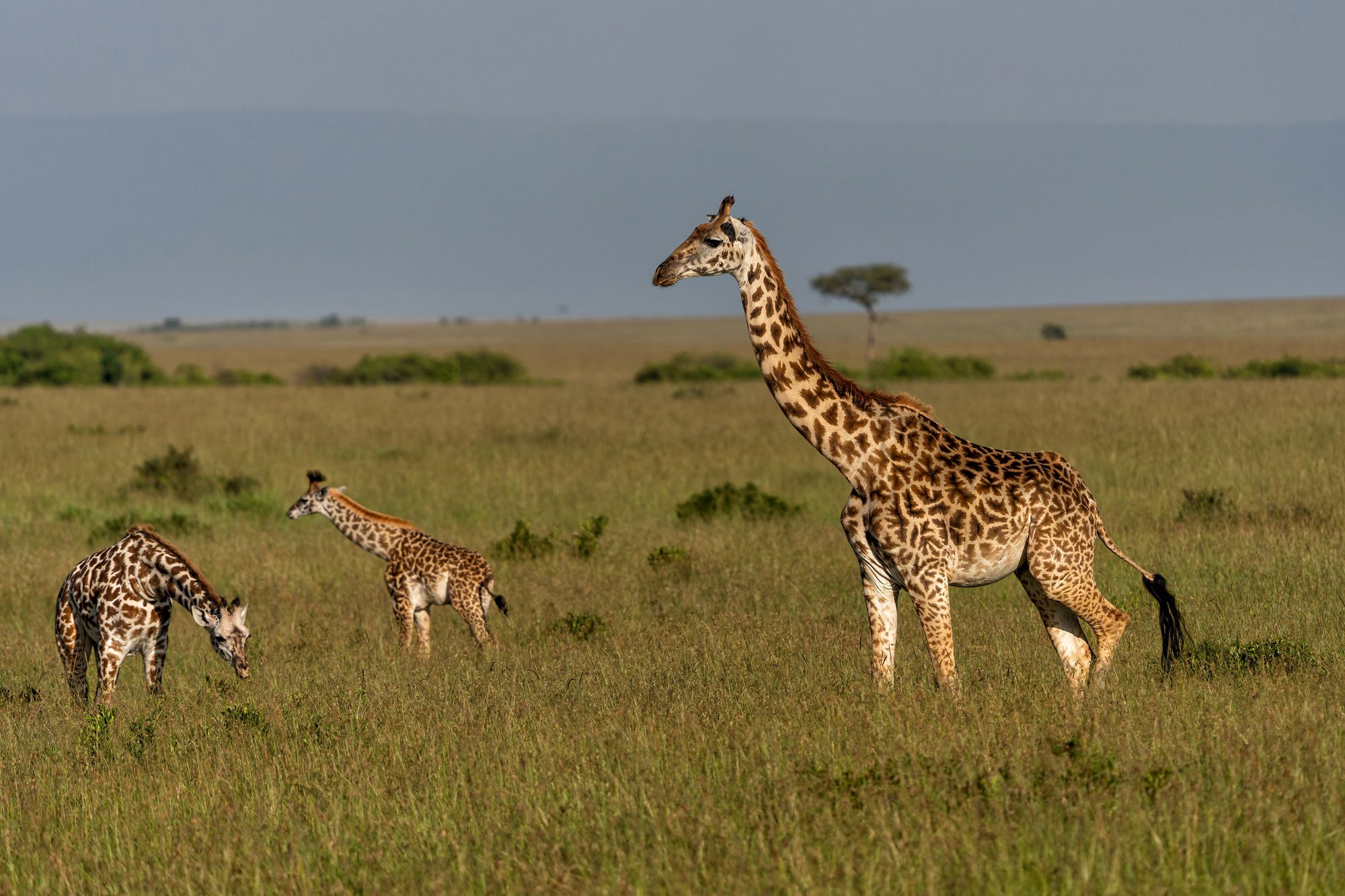
Northern Kenya
Different country, different animals
Samburu is not a quieter version of the Mara. It is a different biome — arid, red, strung along one river — holding five species that simply do not occur in southern Kenya.
- Best for
- Northern species, low vehicle numbers
- Best months
- June – October, December – March
- Suggested stay
- 2 – 3 nights
- From Nairobi
- 1-hr flight or 5–6 hours by road
The draw
The special five
Five species adapted to dry country, none of which you will see in the Mara, Amboseli or the Serengeti.
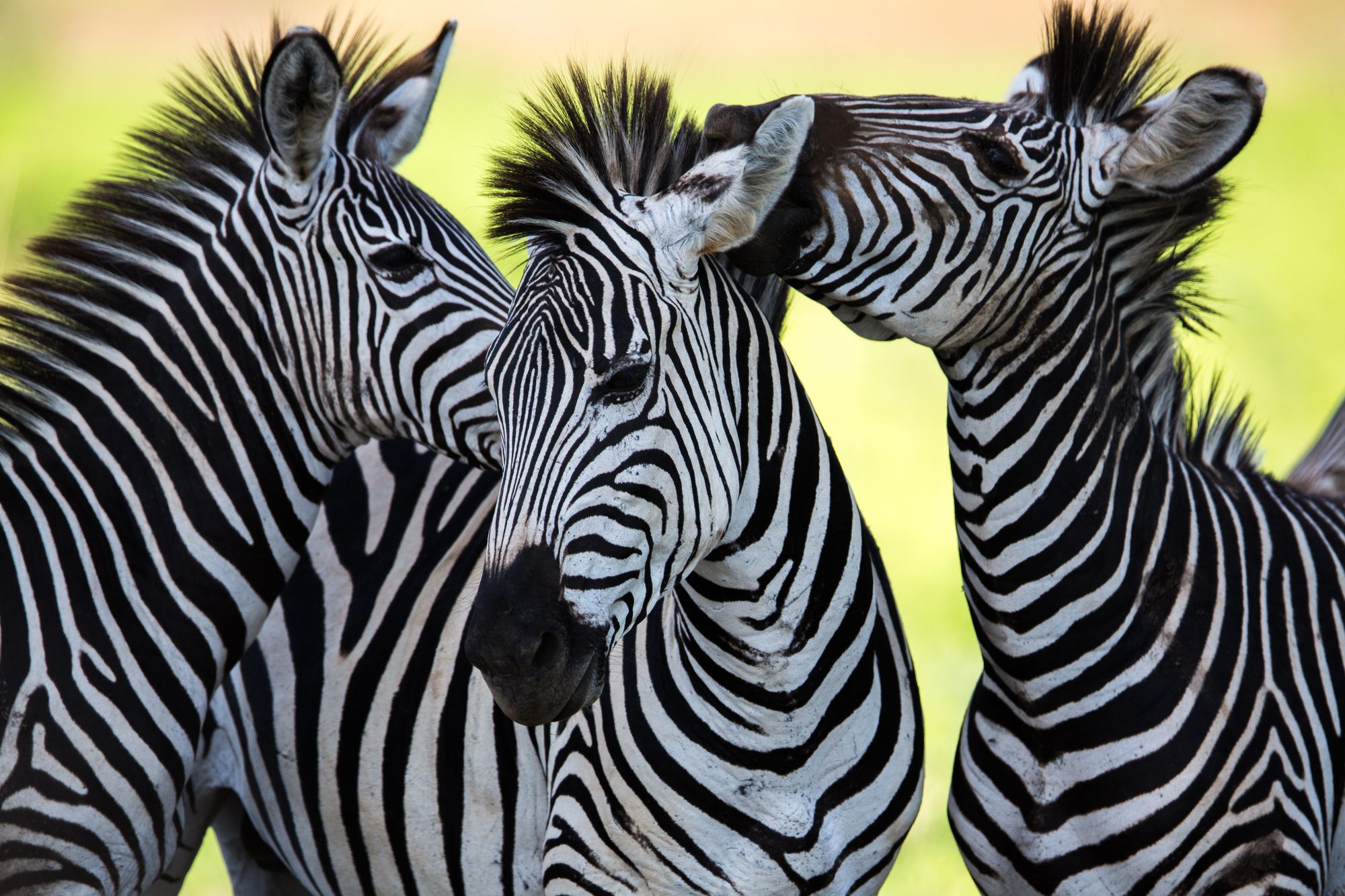
Grevy’s zebra
Narrow stripes, white belly, enormous rounded ears. Endangered, and the largest wild equid on earth.
How to identify itReticulated giraffe
Clean-edged liver-red polygons separated by white lines, as if drawn with a ruler. Quite unlike the Mara’s Masai giraffe.
Tell them apart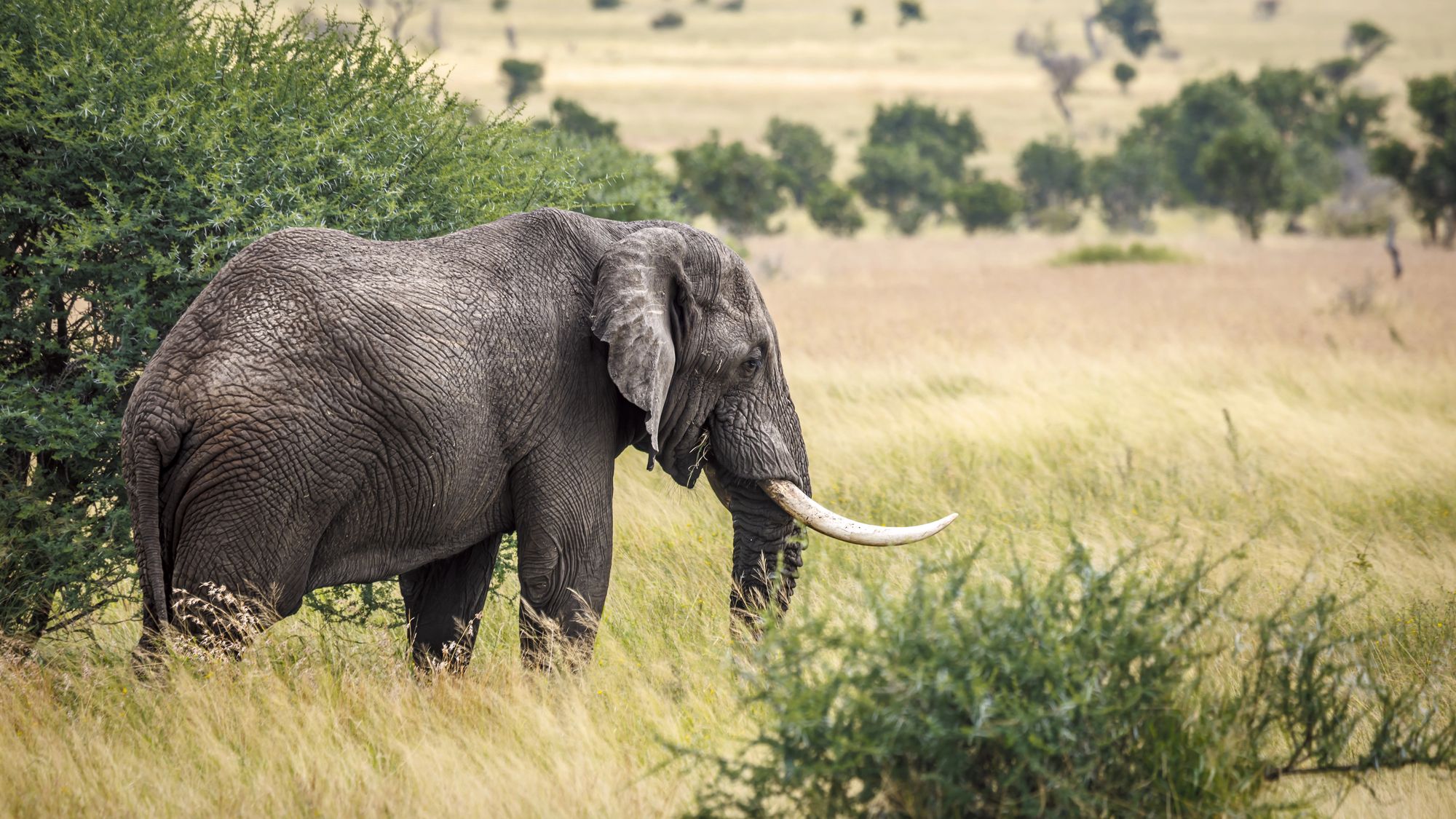
Gerenuk
The giraffe gazelle. Absurdly long neck, and it stands on its hind legs to browse — which you have to see.
Meet it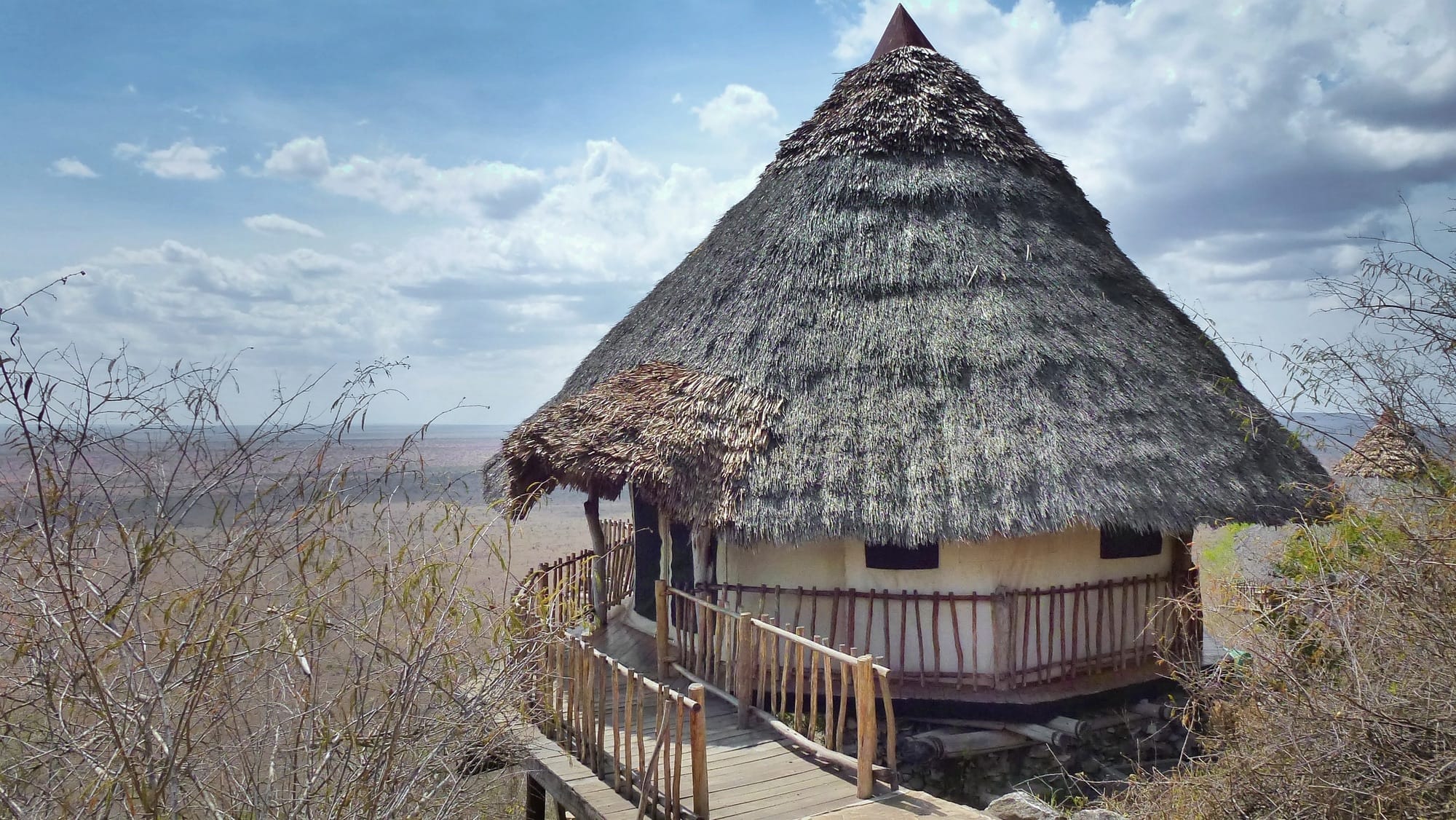
Beisa oryx
Grey, straight-horned, black-masked. Built to go a very long time without drinking.
Meet it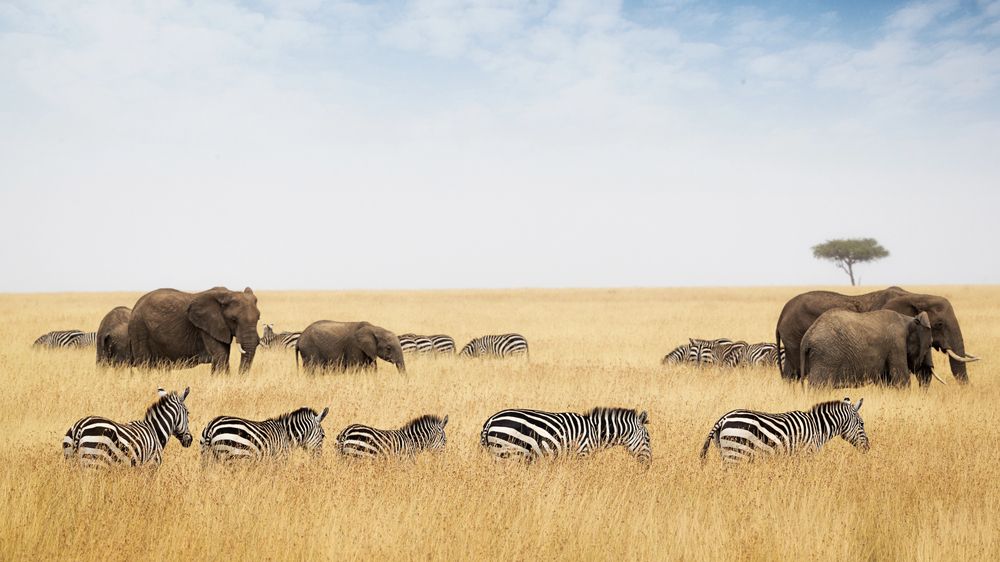
Somali ostrich
Blue-grey neck and legs rather than pink. A distinct species, not a colour variant.
Meet it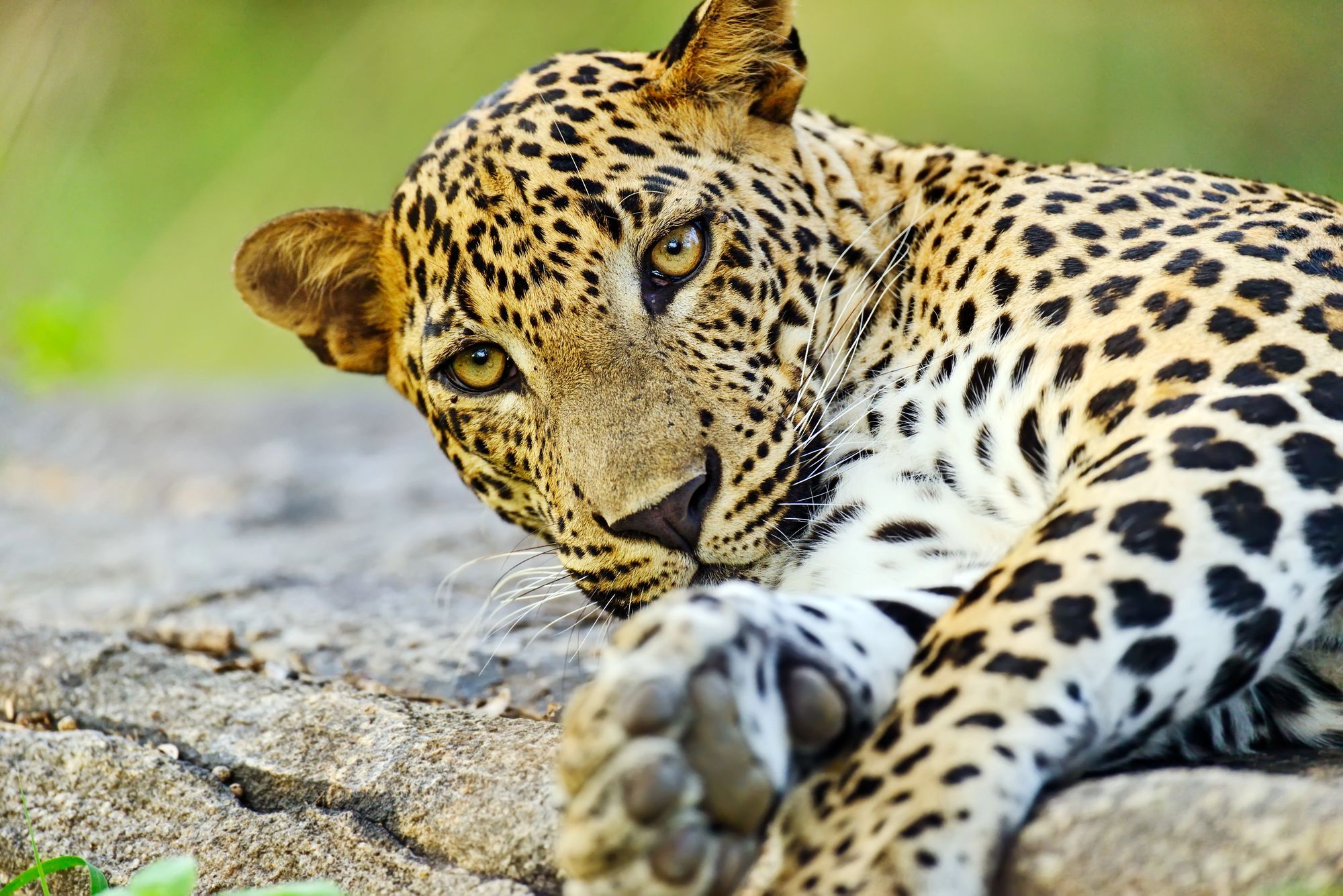
And the rest
Elephant and leopard along the river, a genuine chance of wild dog, and vulturine guineafowl everywhere.
What else is hereThe honest bit
A superb second park, and a poor first one
If this is your first safari and you have a week, Samburu is probably the wrong choice. Mara plus Amboseli gives you more variety for less travel, and higher density of the animals you came to see.
If you have been on safari before and want species you have not seen, Samburu is the single best addition in Kenya. It is also one of the quietest places in the country — you can spend an hour on a leopard with nobody else there.
- A fraction of the Mara’s vehicle numbers
- Five species you will not see anywhere in southern Kenya
- Genuinely good for leopard along the riverine forest
- One of the better chances of wild dog in Kenya
- Lower overall density — sightings take more work
Free download
The Northern Species Guide
How to tell a Grevy’s zebra from a plains zebra at fifty metres, and what else lives up here that does not live in the south.
- Why northern Kenya holds different animals at all
- The special five, and how to identify each one
- Grevy’s zebra versus plains zebra — the three tells
- Reticulated versus Masai giraffe
- What else is up here: wild dog, leopard, elephant along the river
- The three reserves, and which your camp can drive
- When to go, and how hot it really gets
No cost, no obligation. We ask for an email so we can send it and, if you want it, follow up once.
In their words
What travellers say
No reviews are shown because none have been supplied yet. Add them to
shared/placeholders.mjs → testimonials, using the traveller's real
name, month of travel and written permission. This block renders automatically once the
array is non-empty. Nothing invented is ever published here.
Before you ask
The questions we get most
Is Samburu worth adding if I only have a week?
If it is your first safari, probably not — Mara plus Amboseli gives you more variety for less travelling.
If you have been before and want species you have not seen, it is the best addition in Kenya. It is also one of the quietest reserves in the country.
How hot does it get?
Genuinely hot. This is low, dry country and the middle of the day in January or February is uncomfortable in a way that surprises people who have only been to the highlands.
Camps build the day around early starts and late afternoons for exactly that reason. The middle of the day belongs to a shaded veranda.
Will I see the special five?
Grevy’s zebra, reticulated giraffe and gerenuk are seen on most visits. Beisa oryx are common. Somali ostrich are the least reliable of the five but far from rare.
Two or three nights gives you a good chance of all five. Nothing is guaranteed, here or anywhere.
Is it safe?
The reserves are well run and camps operate normally. As anywhere in Kenya, check your own government’s current travel advice for the region before booking — northern Kenya advice varies by county and does change. We will not tell you an area is fine if the advice says otherwise.
Who actually arranges my safari?
This site is a planning guide. When you send an enquiry it goes to Nomad Africa, our partner travel agency in Kenya, who prepare your itinerary and quote and handle the booking, the payments and you on the ground.
You deal with one team from the first email to the airport transfer home.
Start planning
Tell us what else you are seeing
Samburu earns its place on a second-week itinerary and rarely on a first. Send us the whole trip and we will tell you honestly whether it belongs on yours.
Our Kenya specialist replies within 24 hours.
- An honest answer on whether Samburu suits the trip you are planning
- Named camps, with which reserves each can drive
- The road-versus-fly decision, with what each costs you
- A route that picks up Ol Pejeta or Laikipia on the way north
Who answers
Nomad Africa, our partner travel agency in Nairobi, builds and prices every itinerary we send. You deal with one team, on the ground, for the whole trip.
Licence and membership numbers appear here once filled in at
shared/placeholders.mjs → partner. Nothing is claimed until it is verified.
Get your tailored itinerary and quote
Our Kenya specialist replies within 24 hours with a costed plan built around your dates.
More from our Kenya guides
Specialist guides across our Kenya network
Each of these is a focused guide we publish. Same Kenya specialist behind every enquiry.